Tag Archives: Bark Formation

What Makes a Rub Balanced?

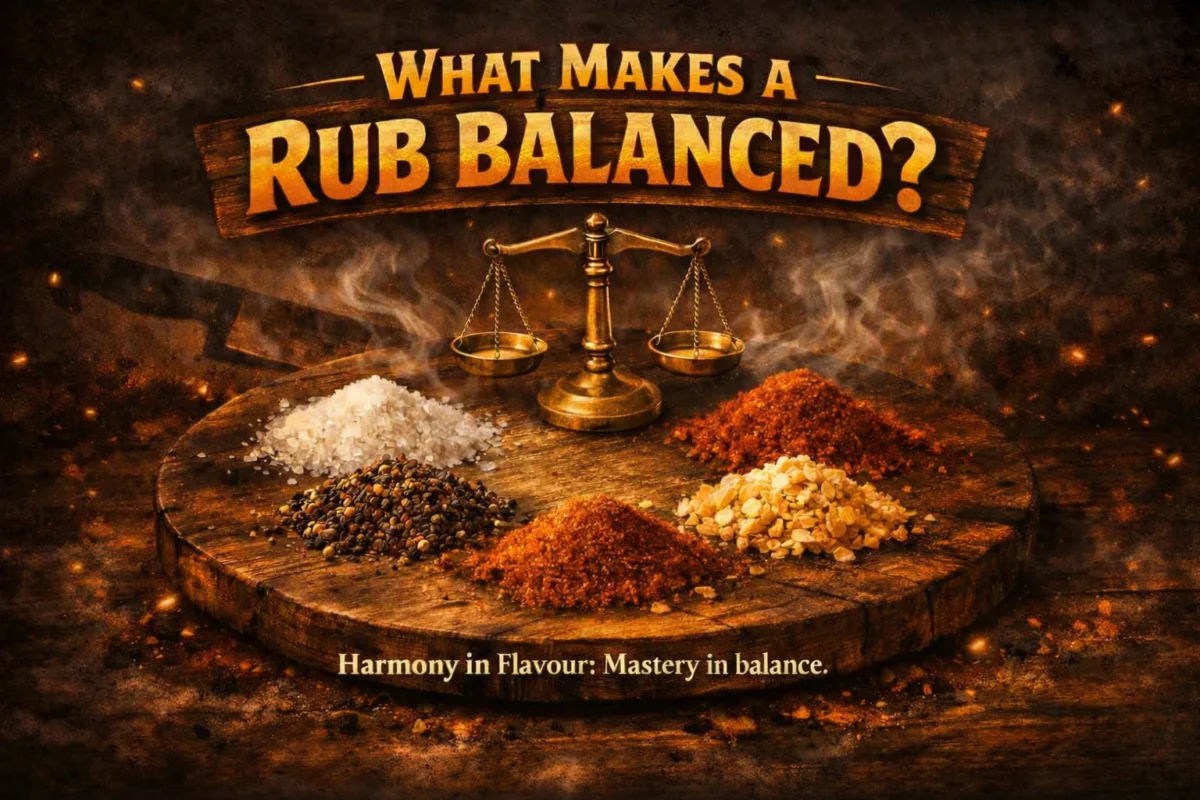
Brass balance scale surrounded by piles of salt, pepper, paprika, chilli, and garlic on a rustic board — symbolising harmony in BBQ rub ingredients.


What Makes a Rub Balanced? A balanced BBQ rub isn’t about having lots of ingredients — it’s about having the right ones working together. A good rub hits salt, savoury, aroma, colour and heat in a way that tastes bold without overpowering the meat. If your rub tastes flat, muddy or “fine but not amazing”, […]
The Ultimate Guide to Resting Meat

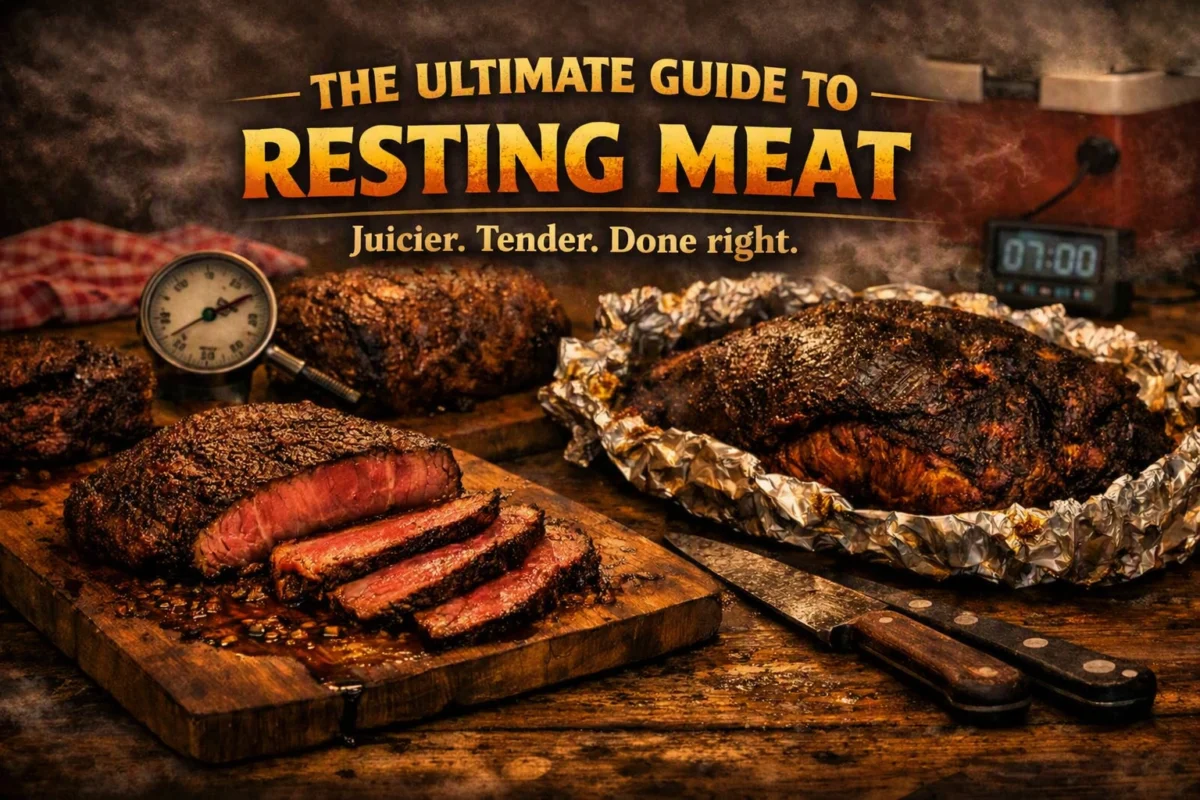
Cinematic OSF hero image showing steak and brisket resting on a wooden board with foil and thermometer.

Resting meat isn’t about trapping juice. It’s about letting heat move, settle and finish the cook properly. When you pull a steak, roast or brisket from the heat, the outer zone is hotter than the centre. Resting lets that heat equalise so the meat stays tender, evenly cooked and full of flavour. Follow the OSF resting rules and you’ll get juicier steaks, better roasts and BBQ that slices like butter.

How to Trim Meat for Better Bark (Beginner‑Proof Guide)

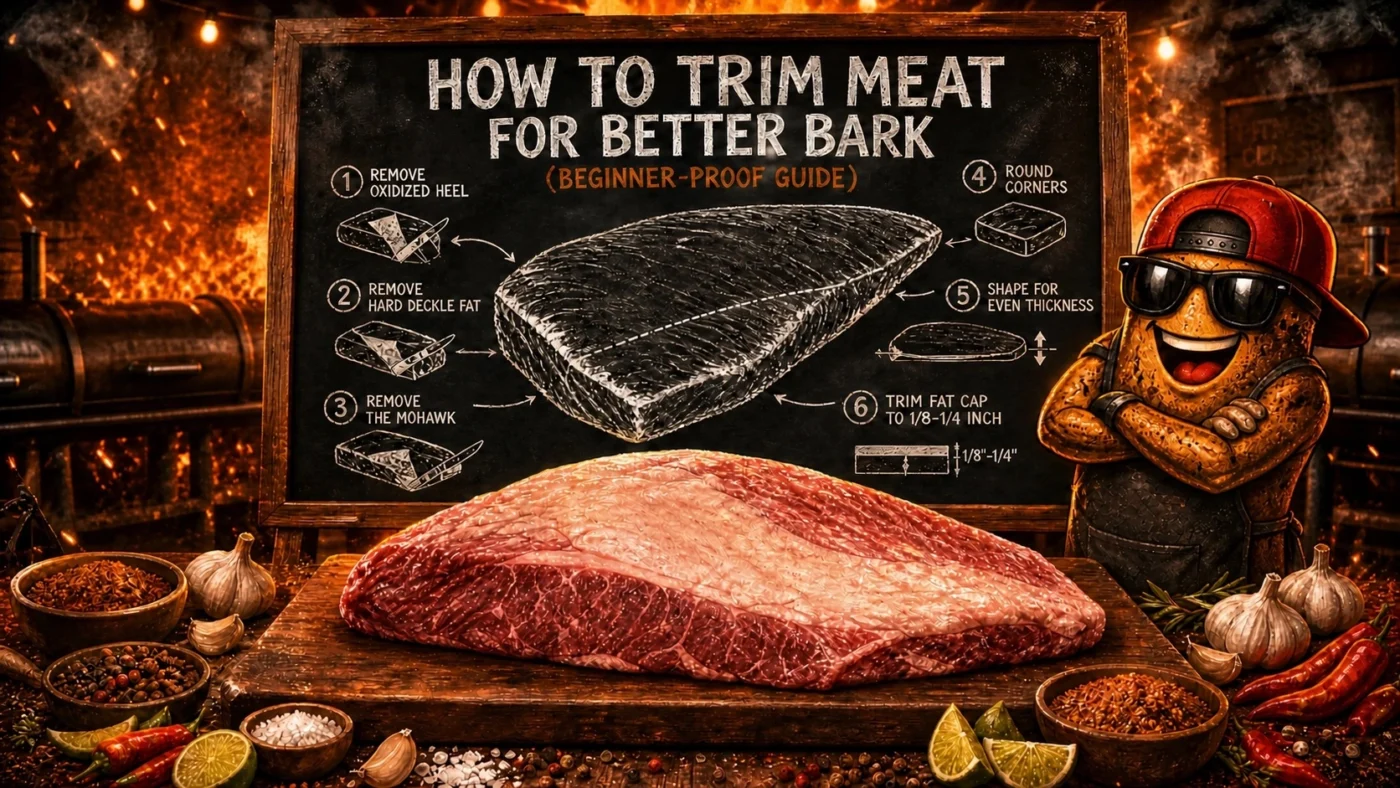
A pitmaster character in sunglasses and a red cap teaches brisket trimming beside a chalkboard showing the six trimming steps, with a whole raw brisket on a butcher board and OSF ingredients in a warm ember‑lit BBQ scene.

A great bark starts long before the cook — it starts with the trim. If your brisket has thin flaps, sharp corners or an uneven fat cap, your bark will always suffer. This beginner‑proof guide shows you exactly how to shape a brisket for even cooking, better airflow and proper seasoning adhesion, using real pitmaster techniques that thousands of cooks rely on.

The Science Behind BBQ Bark (And How Rubs Create It)

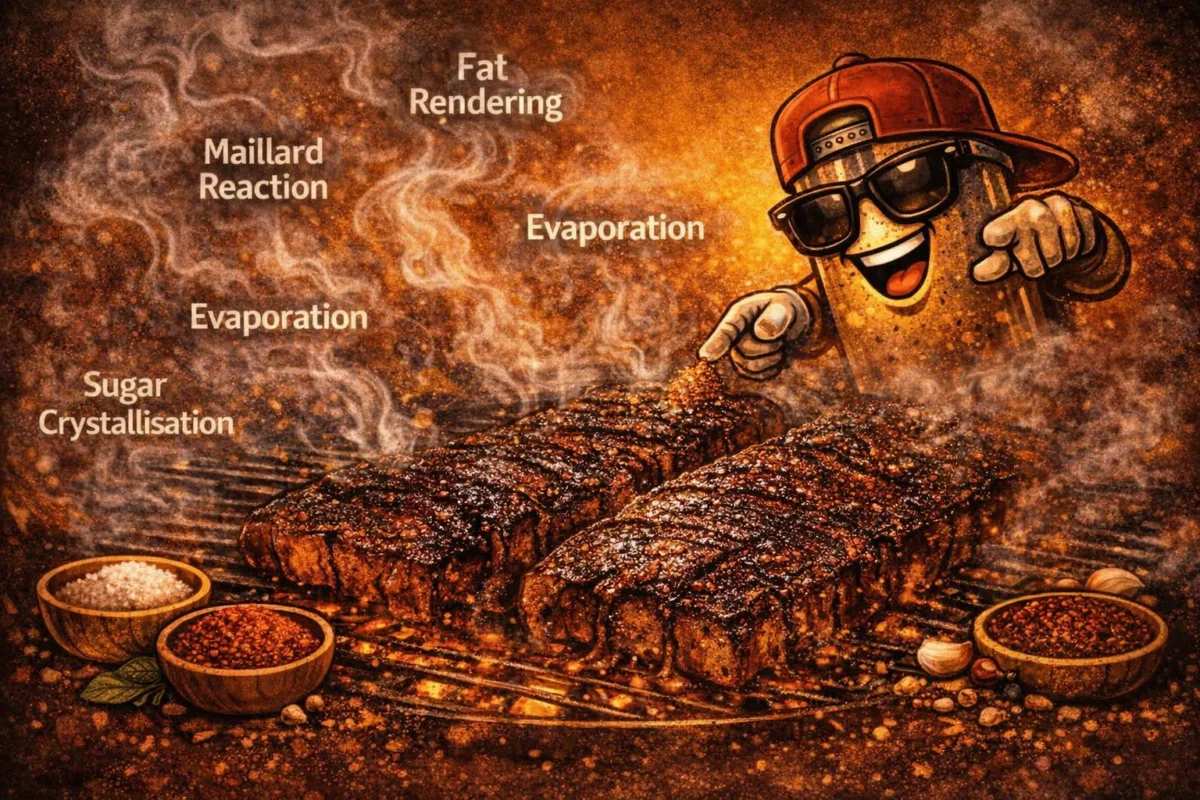
The Science Behind BBQ Bark and How Rubs Create It

That deep, mahogany, sticky‑crisp crust isn’t magic — it’s science. This guide breaks down the reactions that create BBQ bark, how rubs transform into a flavour‑packed crust, and why Fixes Most Things delivers colour, crunch and smoky‑sweet depth even at hotter Australian BBQ temps.