Category Archives: Troubleshooting

This category collects supporting articles.
For the full guide, see the Troubleshooting page.

Should Rubs Be Applied Before or After Trimming Fat?

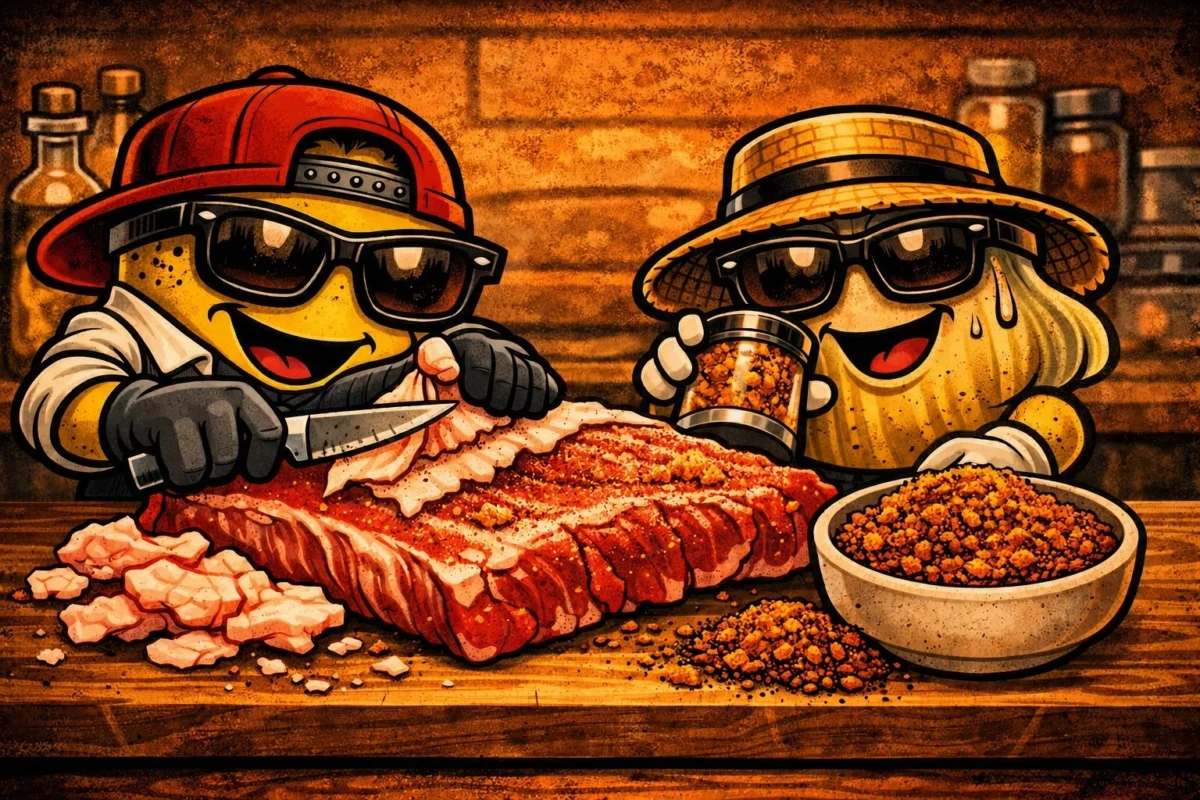
Cartoon OSF characters trimming brisket fat on a wooden board beside a bowl of BBQ rub, showing that rubs are applied after trimming.

Trimming always comes first. Rubs stick to meat, not fat, so applying seasoning before trimming wastes flavour and stops it from bonding properly. When you trim, you expose clean surfaces that let rubs adhere, penetrate and build better colour and bark. Hard fat, silver skin and loose flaps all block seasoning — remove them, then rub with confidence.
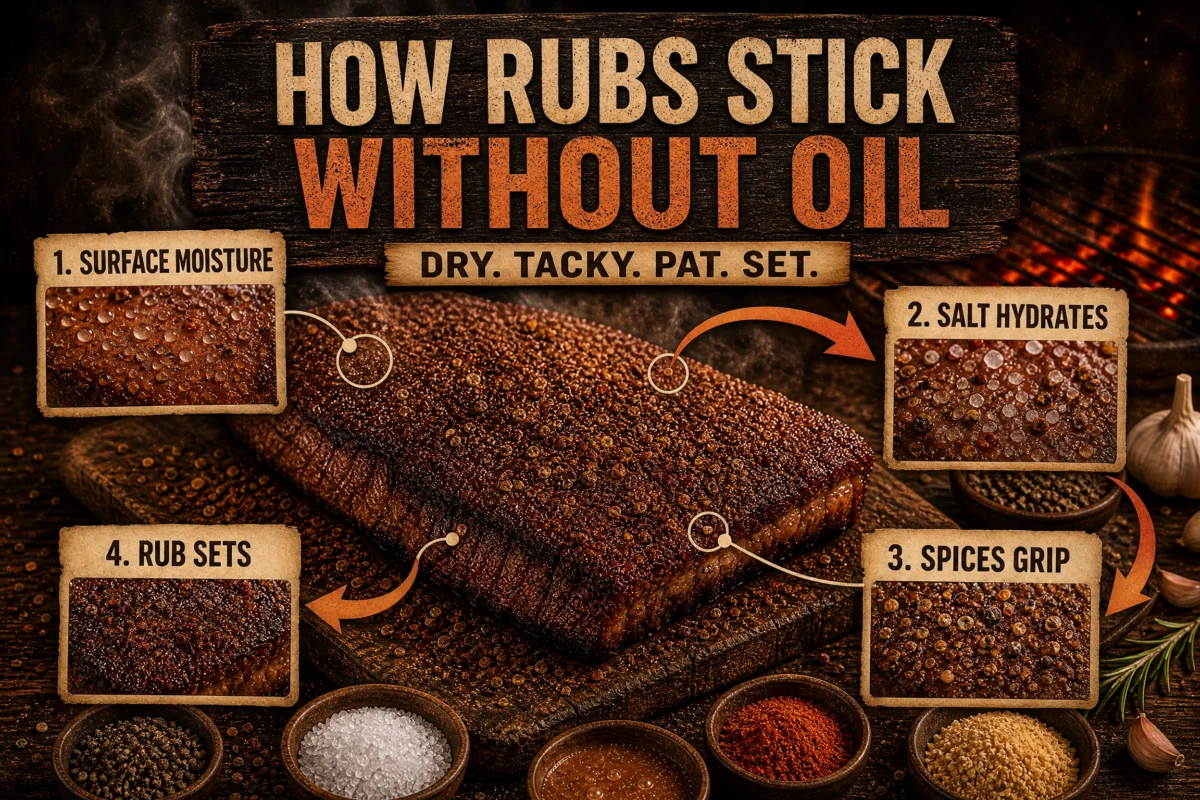
How Do I Make BBQ Rubs Stick Without Oil?

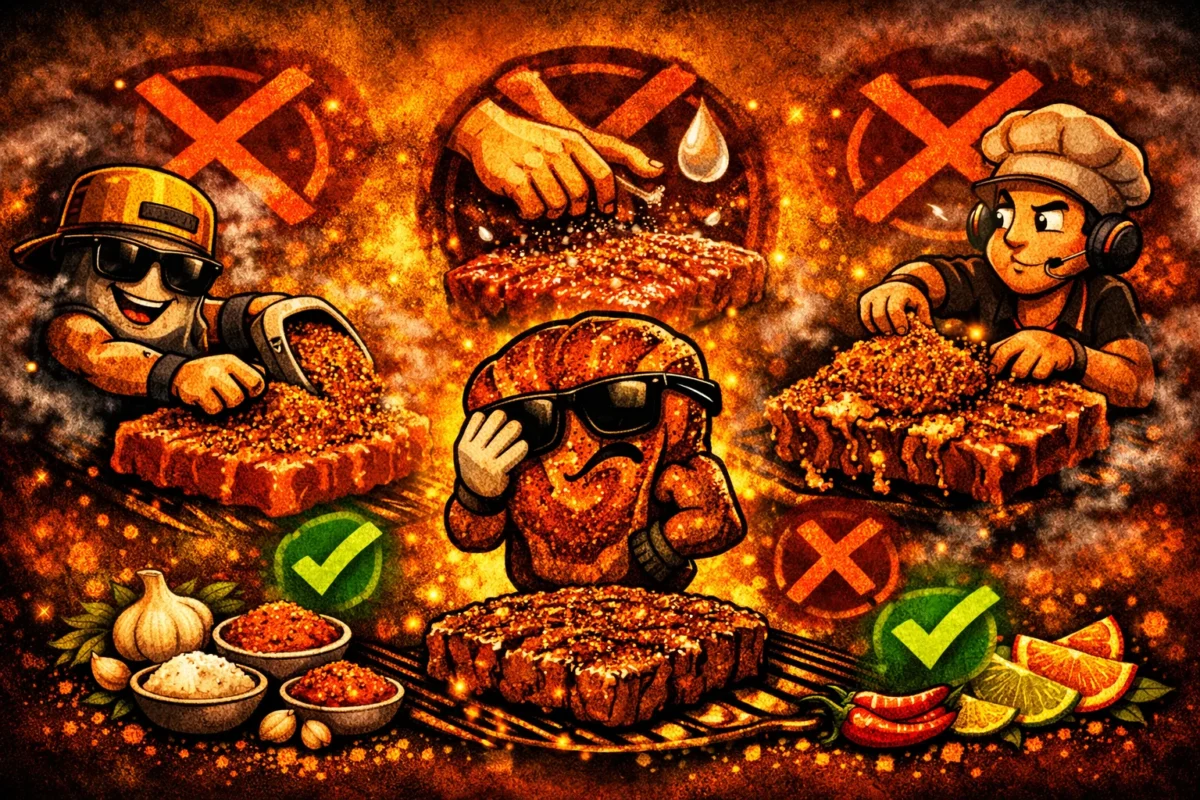
Close‑up meat surface showing four steps of how BBQ rubs stick without oil: moisture, salt hydration, spice grip and rub setting.

How Do I Make BBQ Rubs Stick Without Oil? How Do I Make BBQ Rubs Stick Without Oil? You don’t need oil to make BBQ rubs stick. In fact, oil can sometimes block smoke, soften bark and make rubs slide off. Rubs stick because of surface moisture, tackiness and proper application — not oil. The […]

Do BBQ Rubs Work on Vegetables or Only Meat?

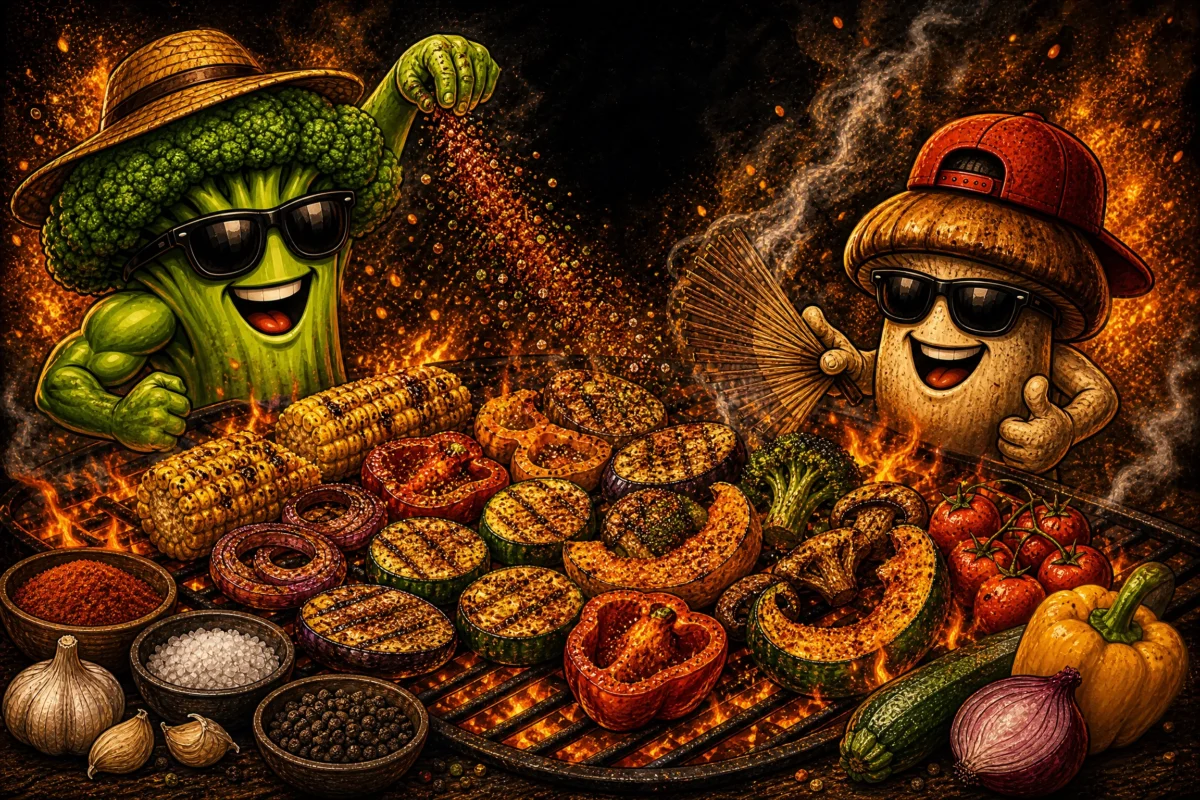
Anthropomorphic broccoli and mushroom grilling vegetables to illustrate how BBQ rubs work on veg.

Do BBQ Rubs Work on Vegetables or Only Meat? Do BBQ Rubs Work on Vegetables or Only Meat? BBQ rubs aren’t just for meat — they work brilliantly on vegetables too. In fact, vegetables often show off rub flavour even better than meat because they cook fast, caramelise easily and absorb seasoning on the surface […]

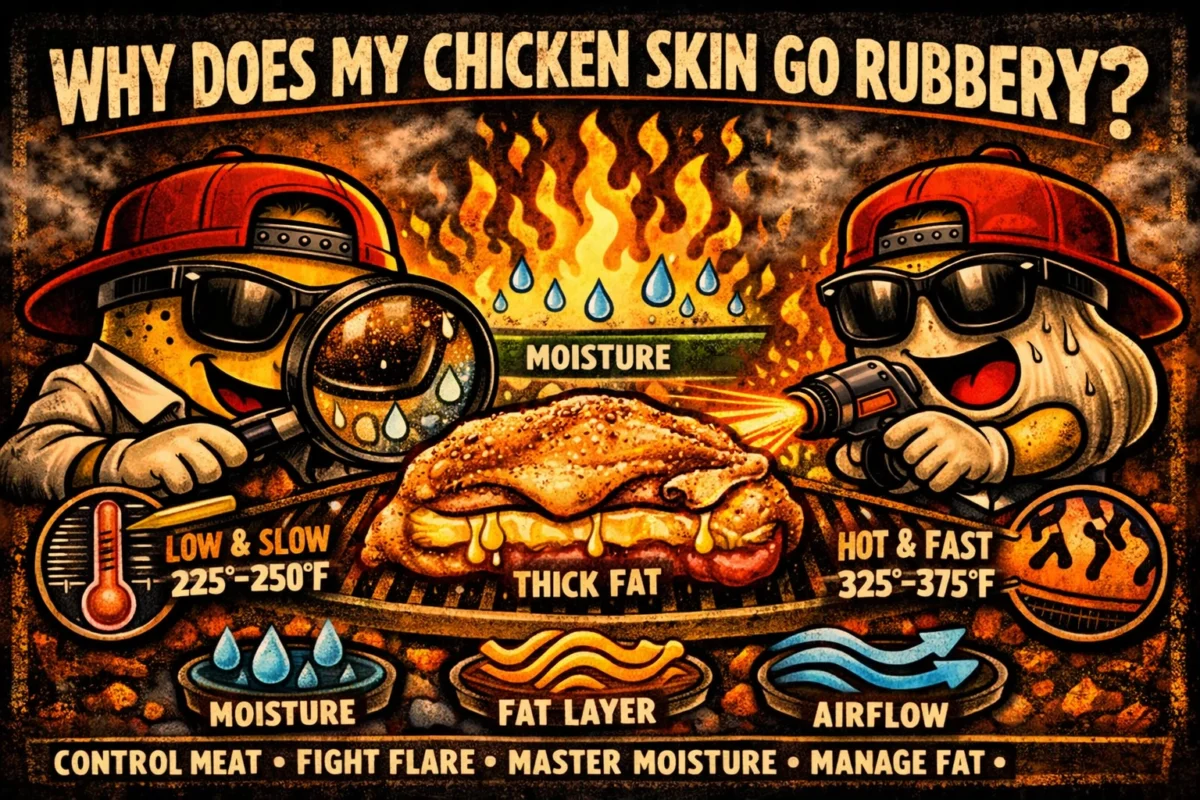
Why Does My Chicken Skin Go Rubbery? The Real Reason (And How to Fix It)

osf-why-does-my-chicken-skin-go-rubbery-hero.webp

Why Does My Chicken Skin Go Rubbery? The Real Reason (And How to Fix It) Why Does My Chicken Skin Go Rubbery? The Real Reason (And How to Fix It) Outback Smoke & Fire — Flavour‑Truth for Real‑World Cooks Rubbery chicken skin isn’t a mystery — it’s a sequence problem. When moisture stays trapped, fat […]