How Do I Stop Flare-Ups When Grilling?

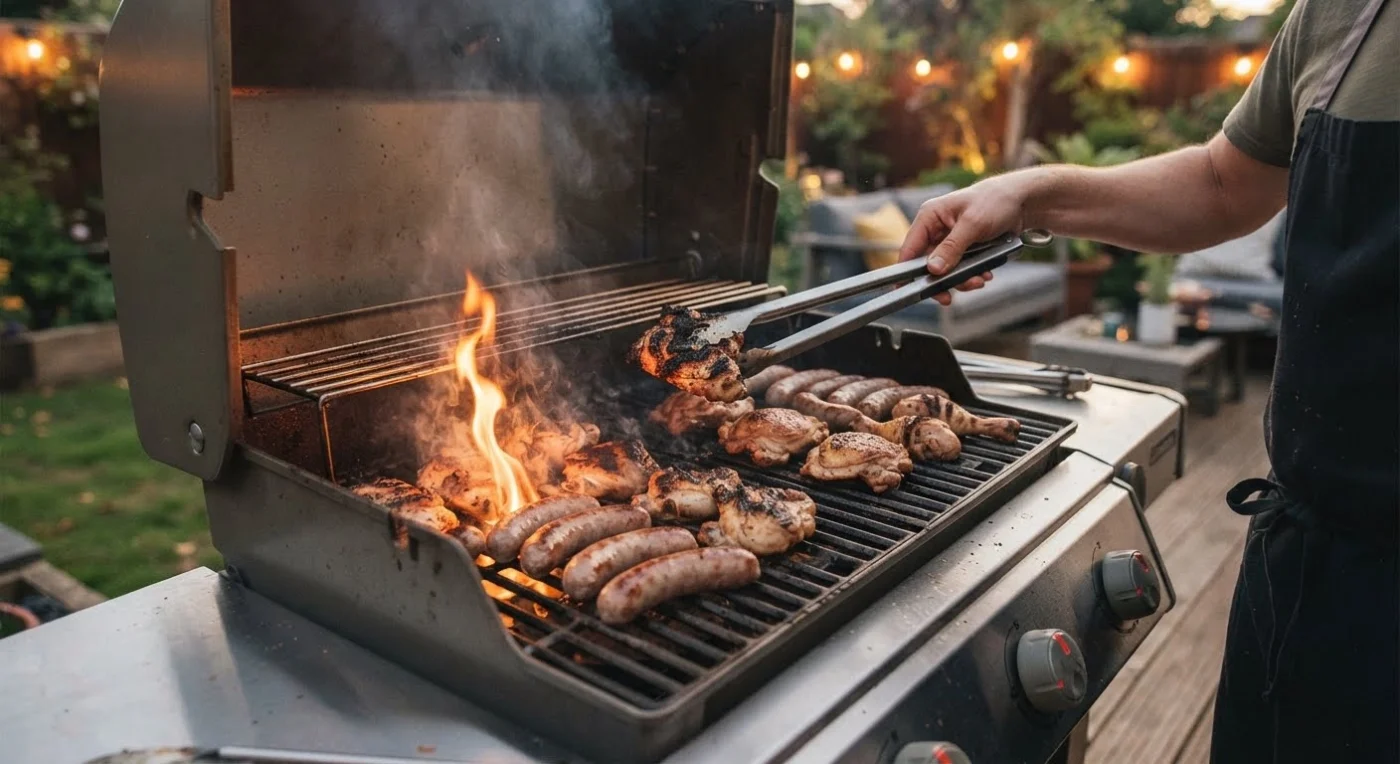
Tongs moving chicken pieces away from a flare-up to the cooler side of a BBQ grill

One minute your sausages are sizzling nicely; the next, flames are leaping up and the outsides are turning black. Flare-ups are part of cooking over fire, but they don’t have to be part of every cook. Once you know what causes them, it’s easy to stop flare-ups when grilling, and easy to tame the ones […]
Are Bush Spices Stronger Than Traditional BBQ Spices?

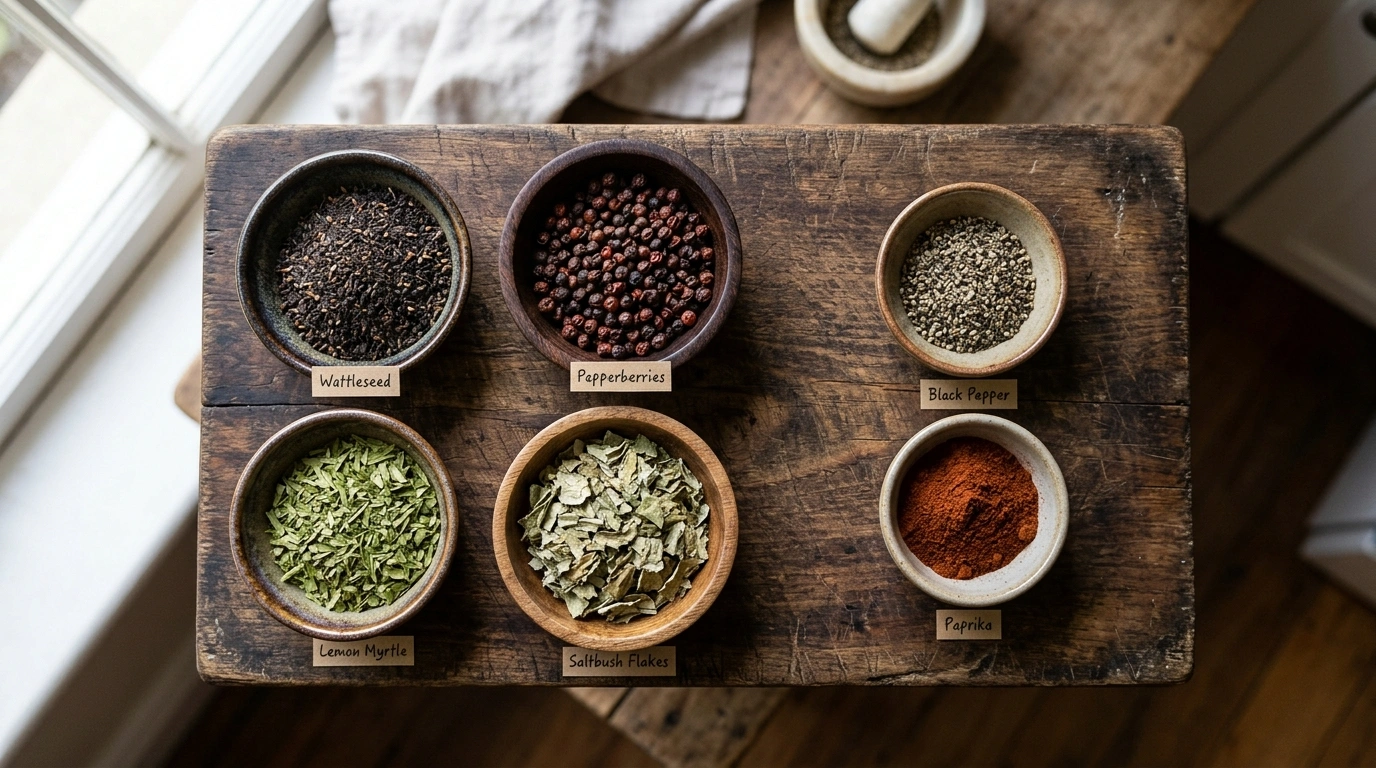
Bowls of wattleseed, pepperberry, lemon myrtle and saltbush beside black pepper and paprika on a wooden board

Australian bush spices are turning up on more and more BBQs, and one of the first things people notice is the strength. A pinch of lemon myrtle can taste like a whole lemon tree. A few pepperberries can make your mouth tingle for minutes. So are bush spices stronger than traditional BBQ spices like black […]

Should I Use Sugar Rubs on Pork If Cooking Hot and Fast?

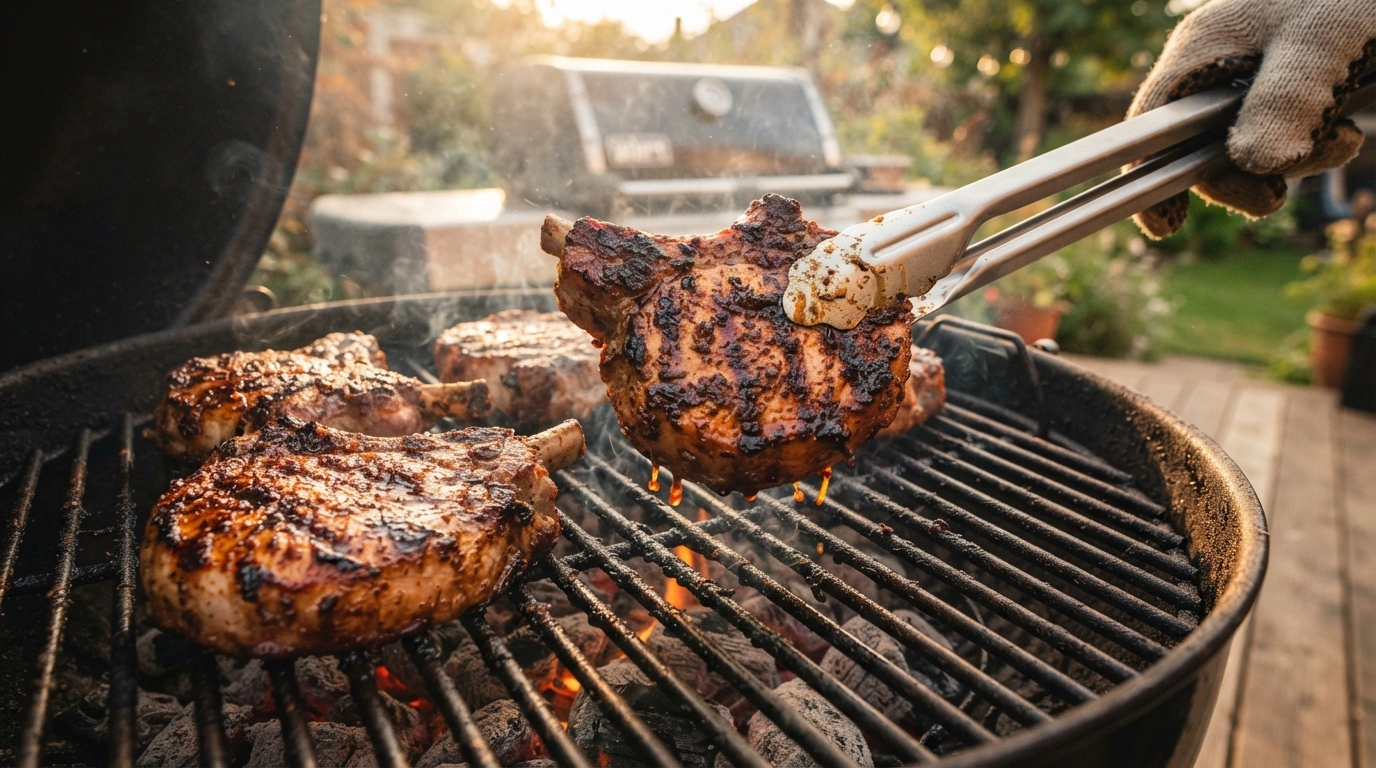
Thick pork chops with a caramelised rub crust being turned with tongs on a BBQ grill

Pork and sugar are old friends. Think sticky ribs, glazed belly and caramelised chops. But sweet rubs and high heat don’t always get along, and many people have watched a beautiful pork chop go from golden to black in under a minute. So should you use sugar rubs on pork when you’re cooking hot and […]

What Bush Spices Pair Well With Smoke?

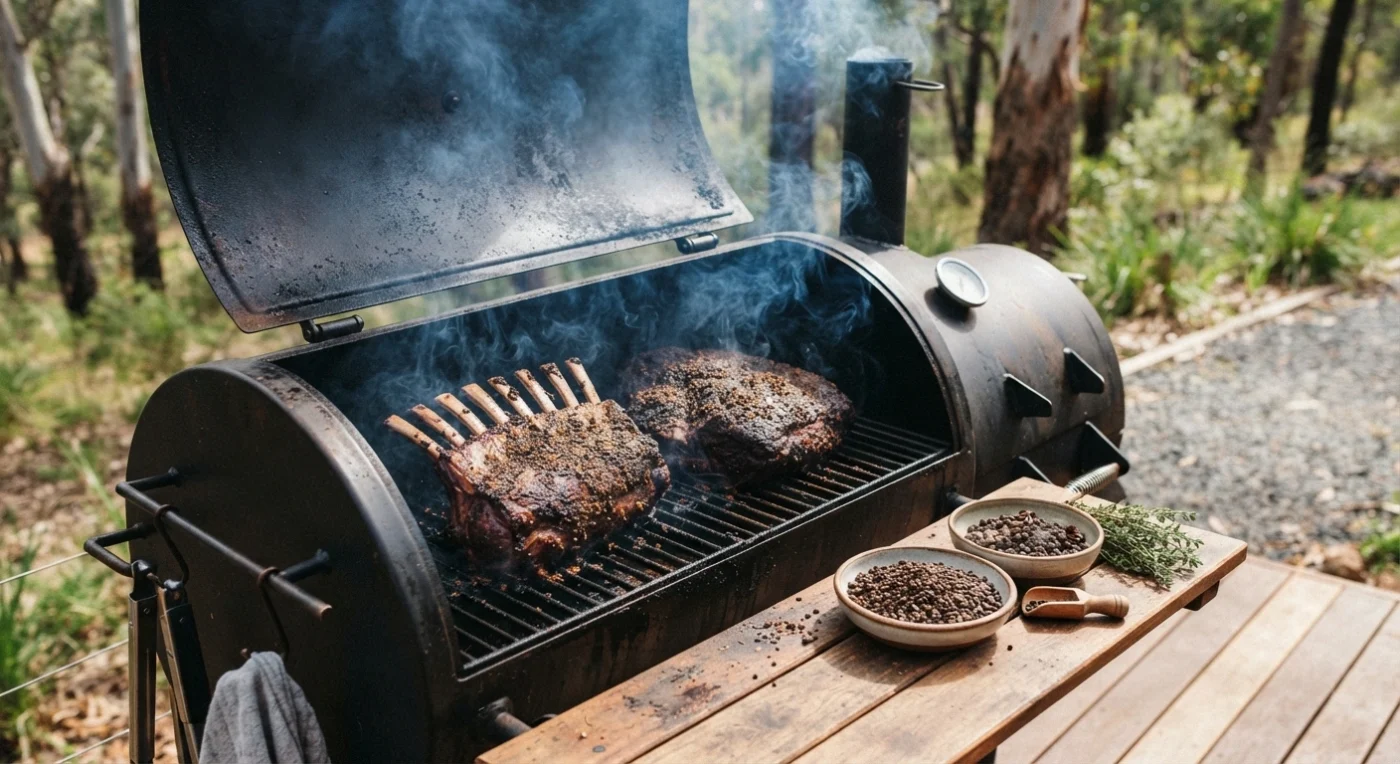
Smoke rising from a smoker over beef and lamb with dark crusts, with bowls of wattleseed and pepperberry nearby

Smoke is a flavour in its own right. It’s earthy, woody and slightly bitter, and it gets stronger the longer the cook. Some Australian bush spices stand up to it beautifully and some get lost in it. So which bush spices pair well with smoke, and which are better added at the end? The short […]

Why Does My Chicken Taste Bland Even With Rub?

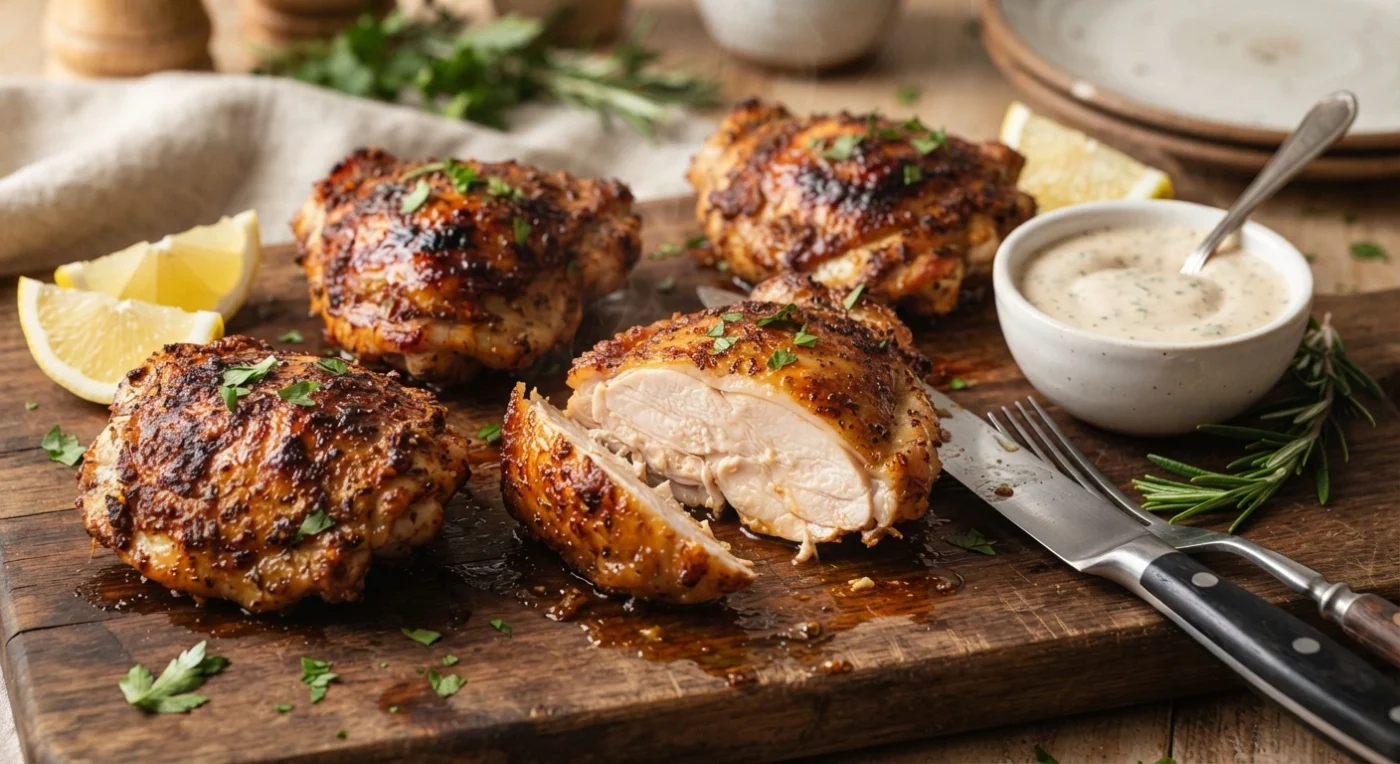
Golden BBQ chicken thighs with a rub crust, one cut open to show juicy meat, with lemon and dipping sauce

You coated the chicken in rub, cooked it carefully and the first bite was… fine. Tasty on the outside, but the meat underneath was plain. If your chicken tastes bland even with a good rub, you’re not alone — and it’s rarely the rub’s fault. Usually it’s about timing, where the rub went and how […]

Sticky Pork Ribs (And the Best Rubs to Make Them Ridiculous)

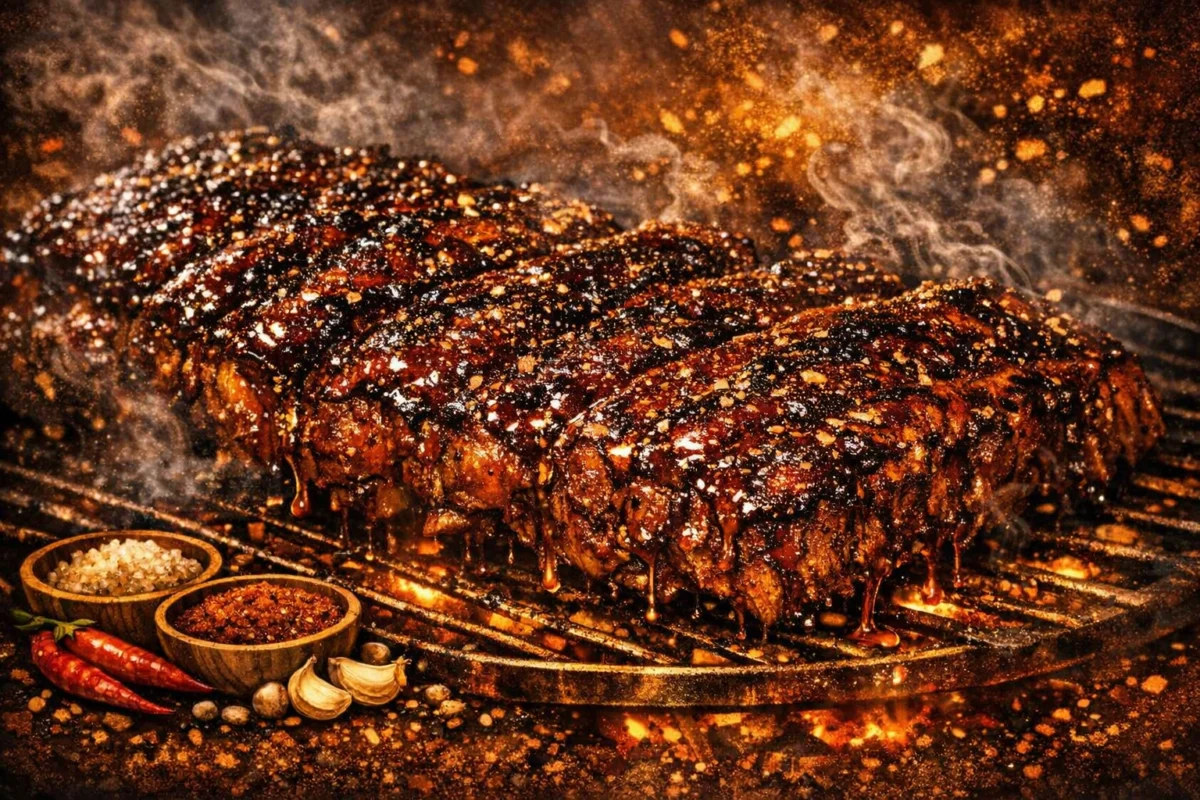
Sticky Pork Ribs and the Best Rub to Make Them Ridiculous

These are the ribs that turn a backyard BBQ into a full‑blown event. This recipe shows you how to get deep colour, sticky edges, warm smoke and perfect bark using Fixes Most Things — engineered for hot‑and‑fast ribs with balanced sweetness, savoury backbone and sun‑kissed caramelisation.

Can You Mix Two Different BBQ Rubs Together?

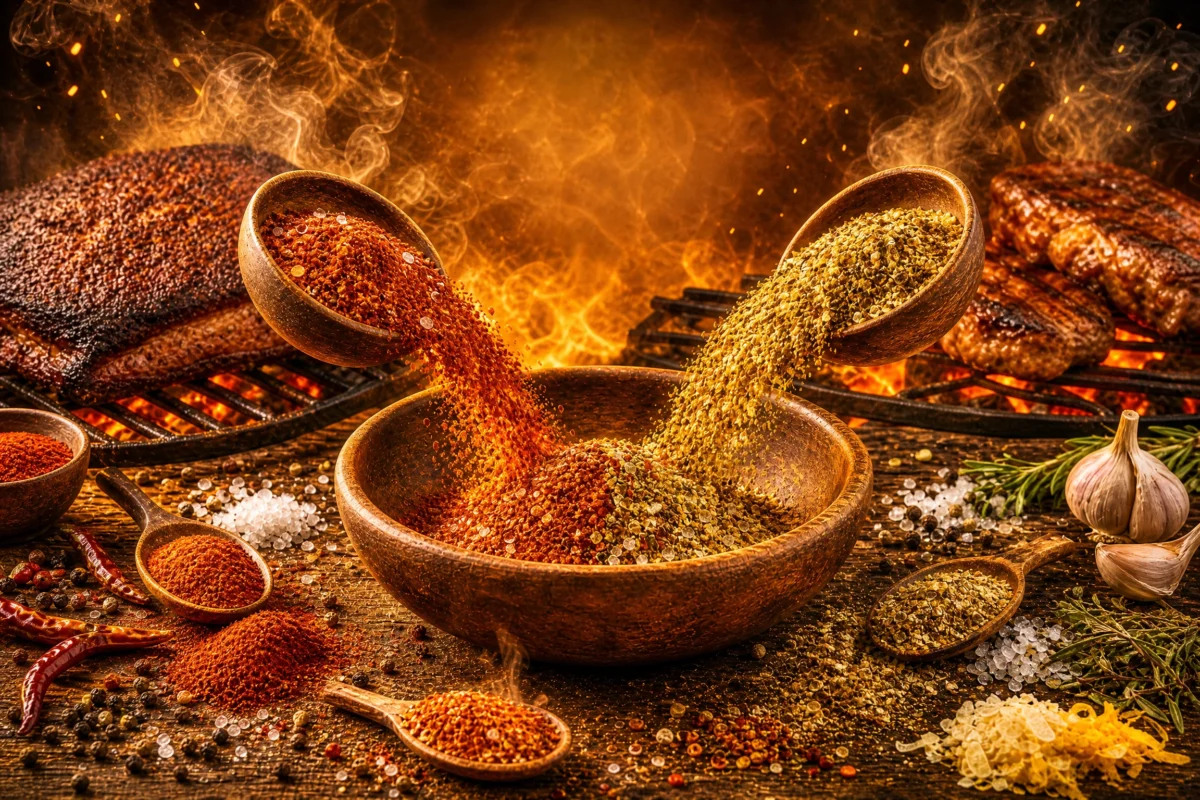
Two streams of BBQ spices pouring into a bowl with seasonings and flames, illustrating how rubs can be mixed.

Can You Mix Two Different BBQ Rubs Together? Yes — you can mix two BBQ rubs together, and it often works brilliantly. Combining rubs lets you adjust flavour, balance heat, add complexity and tailor seasoning to the protein you’re cooking. The trick is understanding how rub components interact so you don’t accidentally create something muddy, […]

What Makes a Rub Balanced?

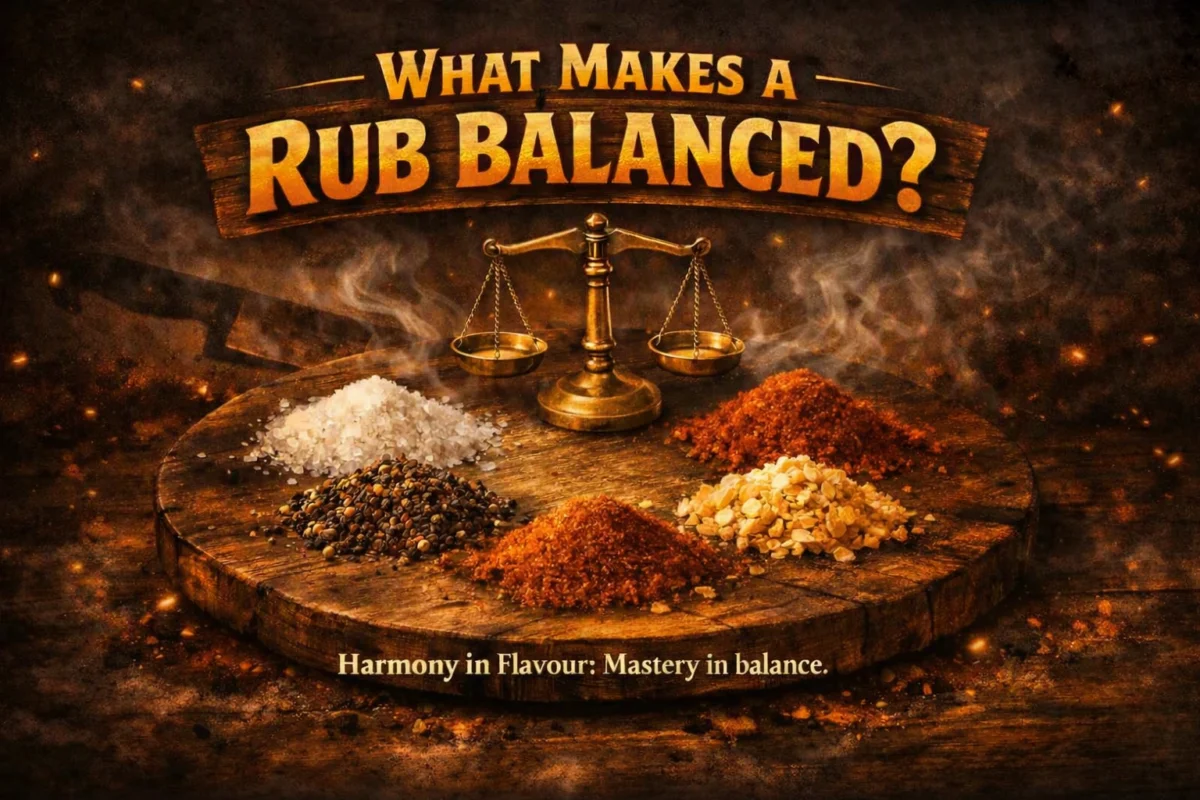
Brass balance scale surrounded by piles of salt, pepper, paprika, chilli, and garlic on a rustic board — symbolising harmony in BBQ rub ingredients.


What Makes a Rub Balanced? A balanced BBQ rub isn’t about having lots of ingredients — it’s about having the right ones working together. A good rub hits salt, savoury, aroma, colour and heat in a way that tastes bold without overpowering the meat. If your rub tastes flat, muddy or “fine but not amazing”, […]

Should Rubs Be Applied Before or After Trimming Fat?

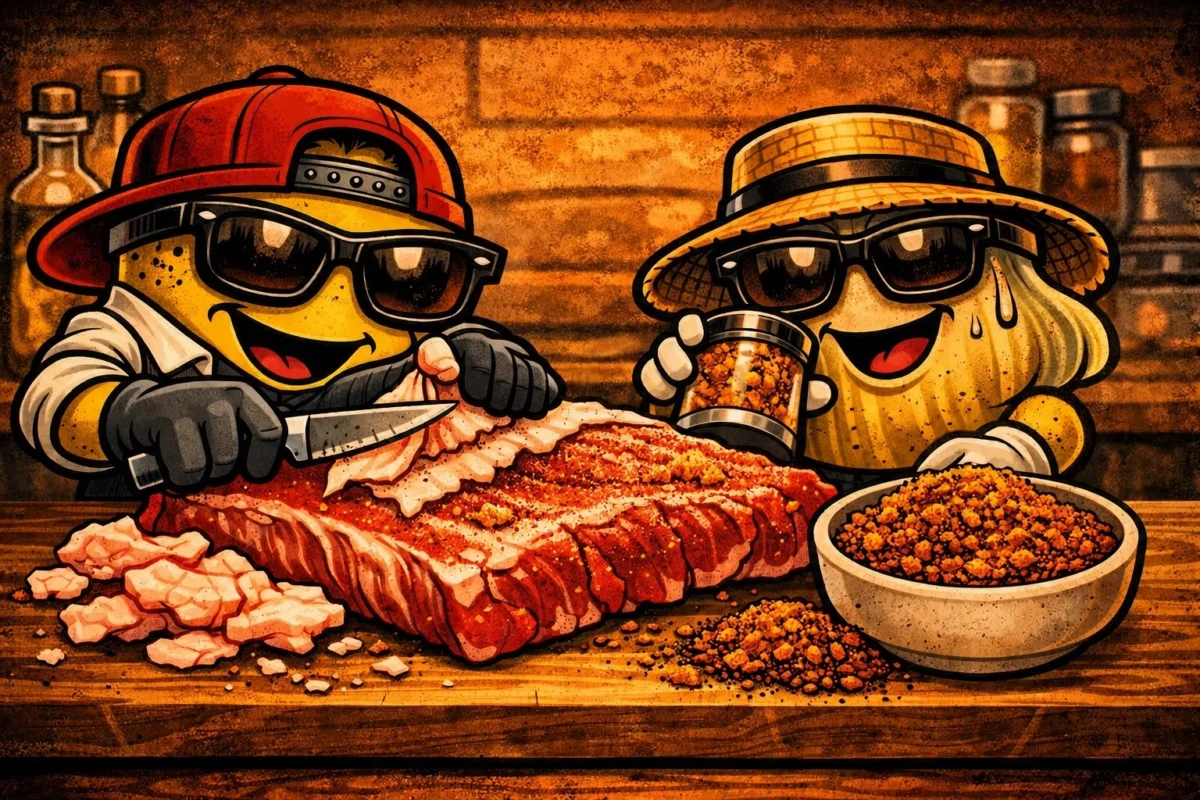
Cartoon OSF characters trimming brisket fat on a wooden board beside a bowl of BBQ rub, showing that rubs are applied after trimming.

Trimming always comes first. Rubs stick to meat, not fat, so applying seasoning before trimming wastes flavour and stops it from bonding properly. When you trim, you expose clean surfaces that let rubs adhere, penetrate and build better colour and bark. Hard fat, silver skin and loose flaps all block seasoning — remove them, then rub with confidence.