What Makes a Rub Balanced?

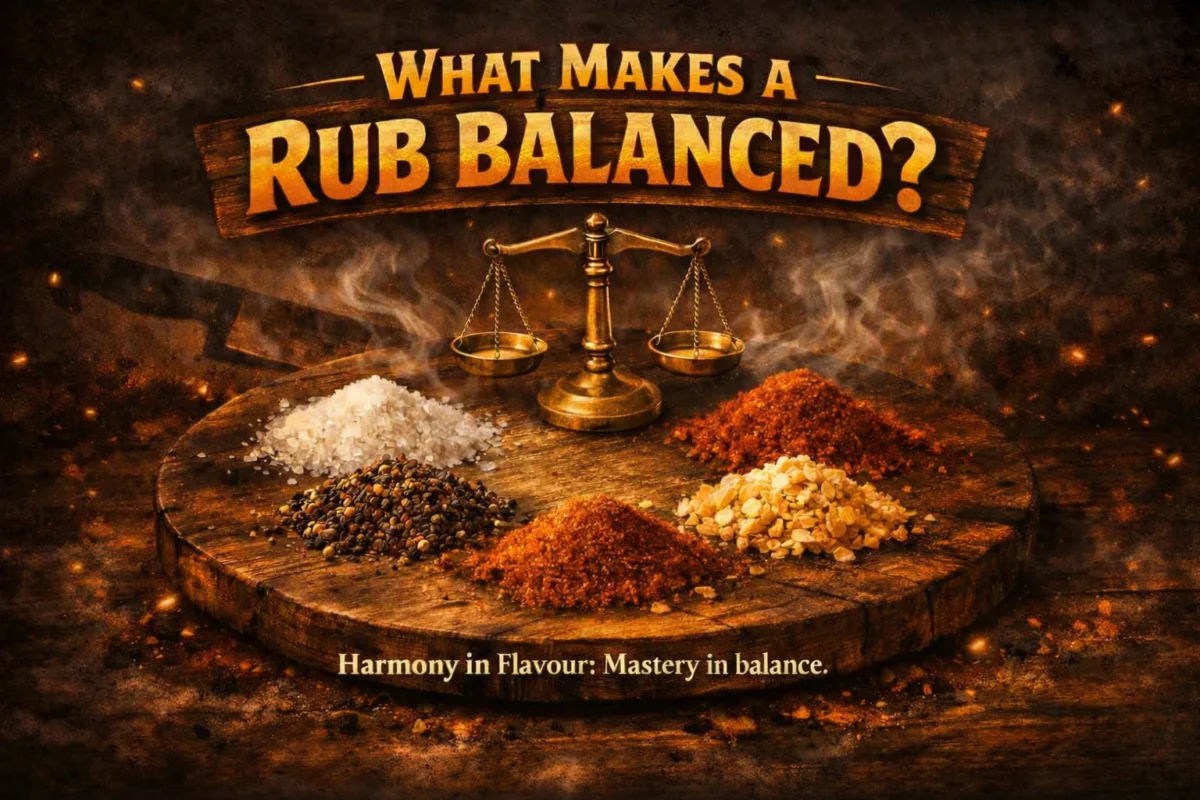
Brass balance scale surrounded by piles of salt, pepper, paprika, chilli, and garlic on a rustic board — symbolising harmony in BBQ rub ingredients.


What Makes a Rub Balanced? A balanced BBQ rub isn’t about having lots of ingredients — it’s about having the right ones working together. A good rub hits salt, savoury, aroma, colour and heat in a way that tastes bold without overpowering the meat. If your rub tastes flat, muddy or “fine but not amazing”, […]

Should Rubs Be Applied Before or After Trimming Fat?

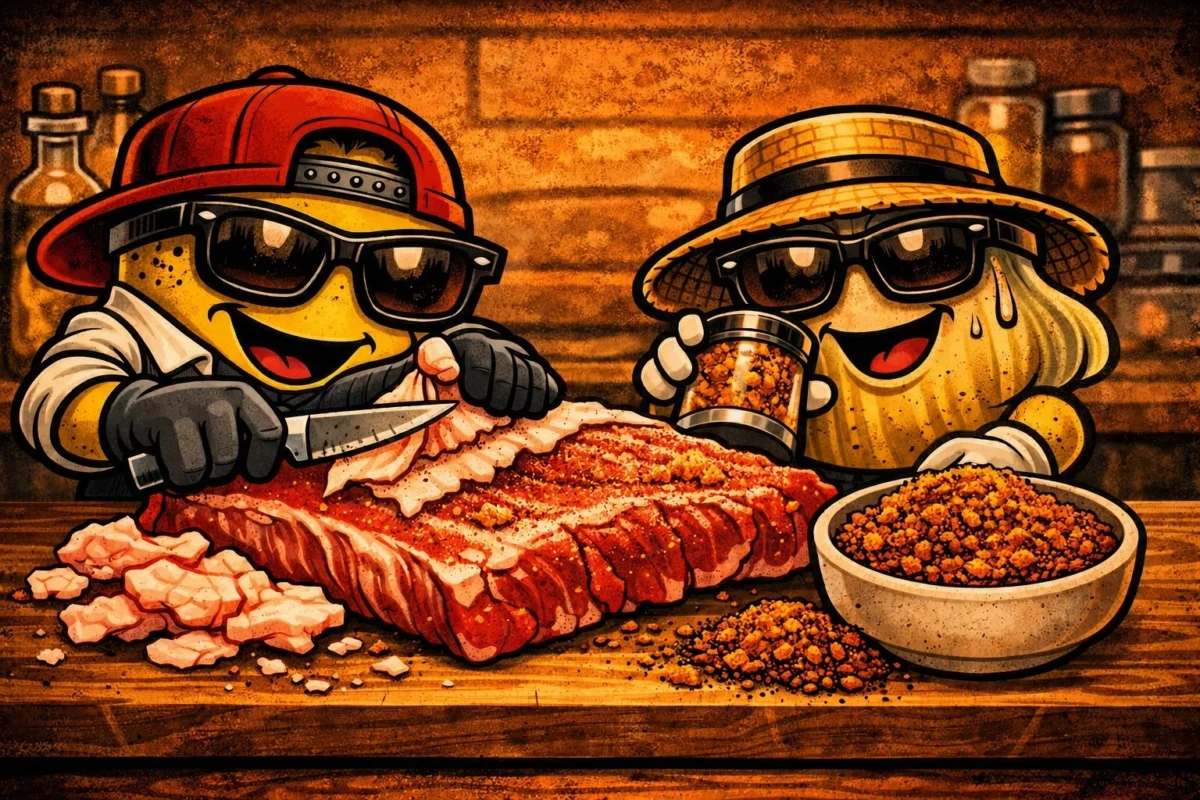
Cartoon OSF characters trimming brisket fat on a wooden board beside a bowl of BBQ rub, showing that rubs are applied after trimming.

Trimming always comes first. Rubs stick to meat, not fat, so applying seasoning before trimming wastes flavour and stops it from bonding properly. When you trim, you expose clean surfaces that let rubs adhere, penetrate and build better colour and bark. Hard fat, silver skin and loose flaps all block seasoning — remove them, then rub with confidence.

How Do I Make BBQ Rubs Stick Without Oil?

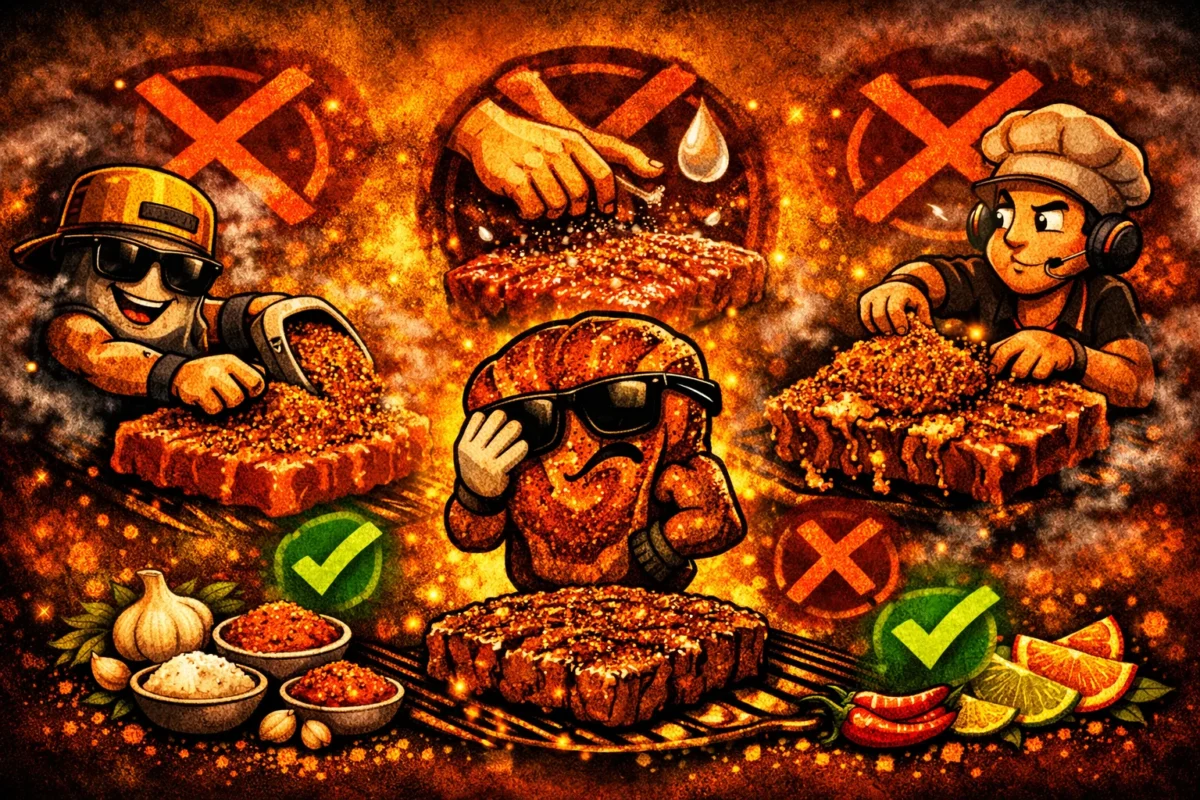
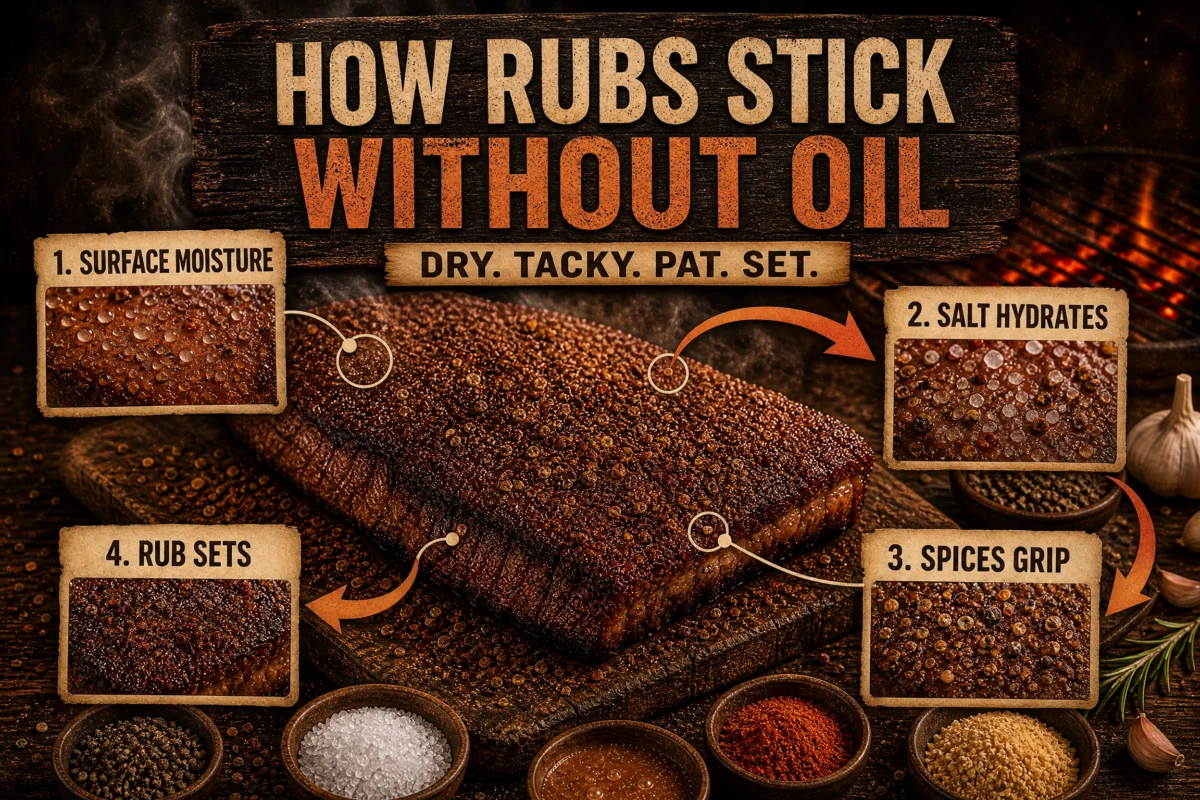
Close‑up meat surface showing four steps of how BBQ rubs stick without oil: moisture, salt hydration, spice grip and rub setting.

How Do I Make BBQ Rubs Stick Without Oil? How Do I Make BBQ Rubs Stick Without Oil? You don’t need oil to make BBQ rubs stick. In fact, oil can sometimes block smoke, soften bark and make rubs slide off. Rubs stick because of surface moisture, tackiness and proper application — not oil. The […]

What Is Finishing Dust (And When Should You Use It)?

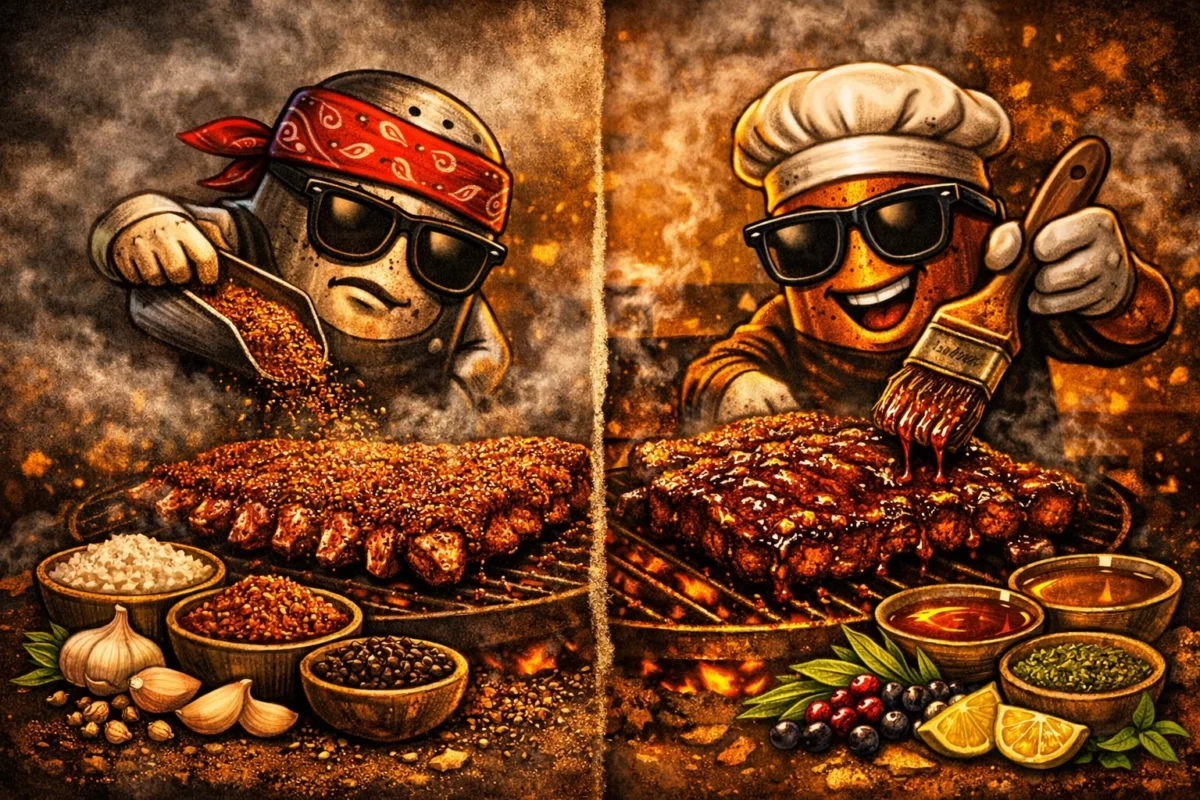
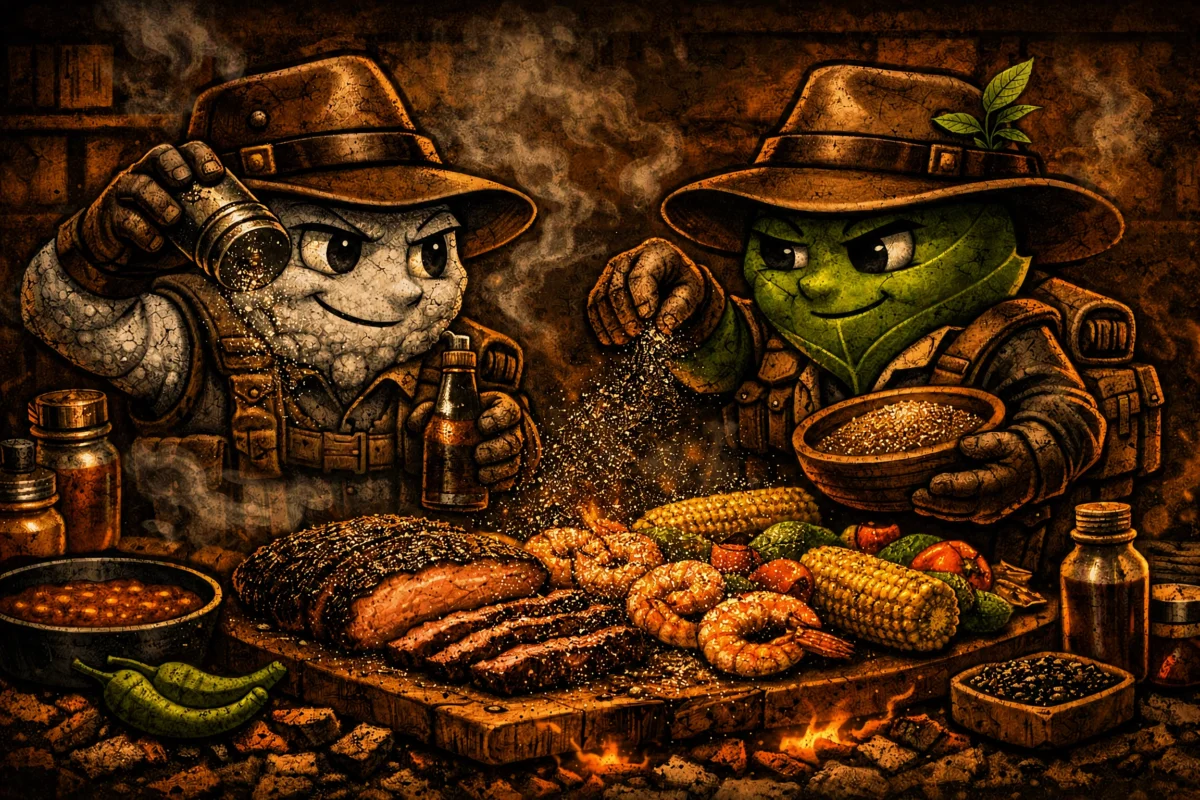
Anthropomorphic mushroom and leaf characters seasoning grilled food over a fire to illustrate how finishing dust adds flavour at the end of cooking.

What Is Finishing Dust (And When Should You Use It)? What Is Finishing Dust (And When Should You Use It)? Finishing dust is the quiet achiever of modern BBQ. It doesn’t build bark, it doesn’t caramelise and it doesn’t fight for attention. It simply steps in at the end, brightens everything and makes your cook […]