
Protein Guides, Choosing the Right Rub
What Rub Works Best for Low-and-Slow Brisket?
Oct
What Rub Works Best for Low-and-Slow Brisket?
Low-and-slow brisket doesn’t need a complicated rub. In fact, many of the best briskets in the world are seasoned with surprisingly simple blends.
The secret isn’t using more ingredients. The secret is using the right ingredients and letting smoke, fat and time do the heavy lifting.
The short answer
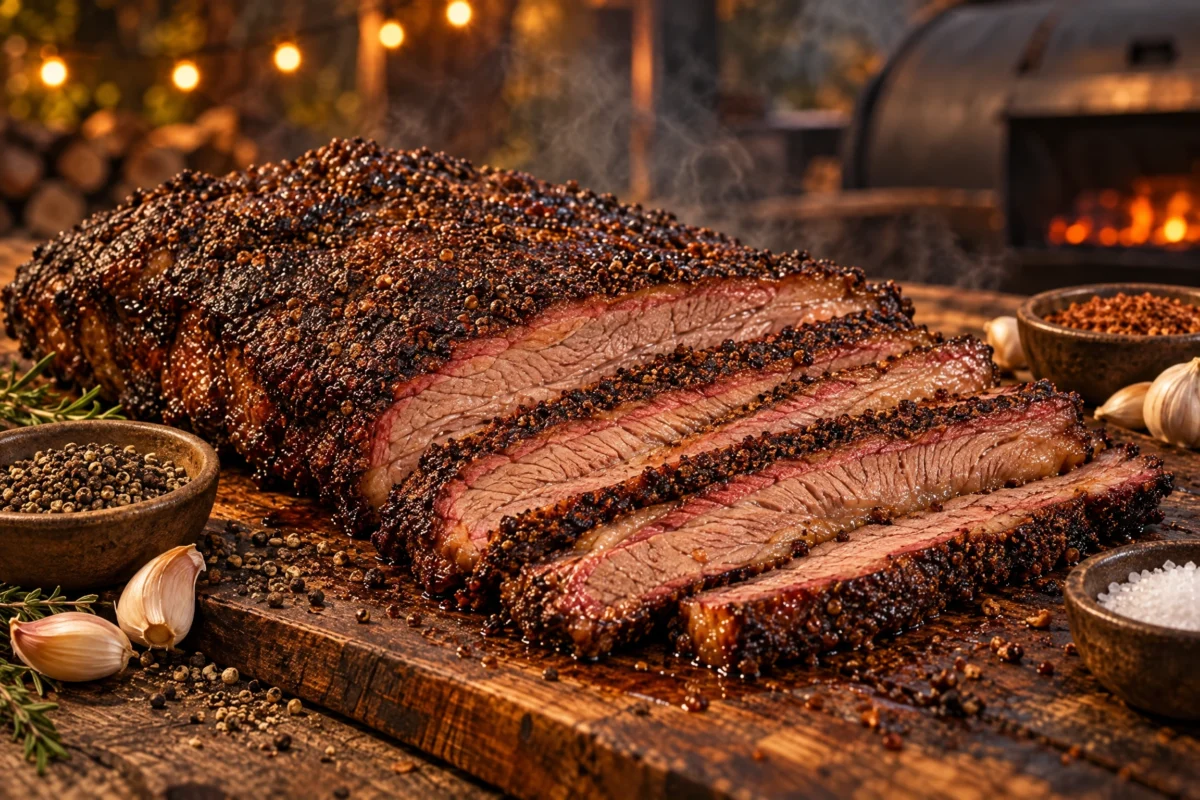
The best rub for low-and-slow brisket is a coarse, savoury blend built around salt, pepper and aromatic support ingredients such as garlic and onion.
Brisket responds best to bold, simple flavours that support bark formation rather than competing with it.
To understand how bark forms during a cook, take a look at
Science Behind BBQ Bark
and
How to Get Better Bark on BBQ.
Why brisket is different
Brisket cooks for a long time.
A very long time.
During that cook:
- Fat slowly renders
- Smoke continually interacts with the surface
- The bark develops over several hours
- Moisture moves through the meat
This means brisket doesn’t need aggressive flavouring.
It needs a rub that stays balanced over 8, 10 or even 14 hours.
The ideal brisket flavour profile
Great brisket rubs usually sit in the:
- Savoury
- Peppery
- Bold
- Low-and-slow-friendly
flavour categories.
You can explore those flavour styles here:
What ingredients work best?
Salt
Salt helps create flavour throughout the meat and supports bark formation.
Black pepper
Pepper is one of the defining flavours of traditional brisket.
It also contributes significantly to bark texture.
Garlic
Garlic adds savoury depth without overpowering the natural flavour of beef.
Onion
Onion rounds out the blend and supports the meat’s natural savoury characteristics.
Optional additions
- Smoked paprika for colour
- Mustard powder for complexity
- A small amount of chilli for warmth
Should brisket rub contain sugar?
Usually, no.
While some cooks enjoy sugar in brisket rubs, many pitmasters keep sugar very low or leave it out entirely.
Brisket already spends hours developing bark through smoke, rendered fat and the Maillard reaction.
It doesn’t need sweetness to carry the cook.
For more on sugar behaviour see:
Which OSF rub styles suit brisket?
From the OSF range, SPGZ (Salt Pepper Garlic Zing) is the best fit for low-and-slow brisket. Its salt, cracked pepper and garlic profile has no added sugar, delivers medium-high savoury depth with mild heat, and is explicitly listed as suitable for brisket — supporting bark and beef flavour without adding sweetness.
If you’re unsure where to start, the
BBQ Rub Finder
can help narrow the field.
How much rub should you use?
More isn’t always better.
Brisket should look evenly seasoned, not buried.
The meat should still be visible beneath the rub.
For more guidance see:
Common mistakes
Using overly sweet rubs
Sweet rubs can mask beef flavour and create an unbalanced bark.
Choosing heat instead of flavour
Brisket is about depth, not punishment.
Let the beef remain the star.
Applying too much rub
Thick coatings can create a muddy bark and overpower the meat.
Using fine powder-only rubs
Coarse particles generally create better bark texture than ultra-fine blends.
Bonus tips
- Dry brine before cooking for deeper seasoning.
- Trim consistently so the bark develops evenly.
- Allow enough resting time after cooking.
- Build flavour through smoke and technique, not just ingredients.
For more brisket fundamentals, visit:
Frequently Asked Questions
Should I use a salt-only brisket rub?
You can, but most cooks get better results with a combination of salt, pepper and savoury ingredients such as garlic and onion. Salt seasons the meat, while pepper and aromatics help build a more interesting bark and deeper flavour.
Is Texas-style brisket rub really just salt and pepper?
Traditional Texas-style brisket is often seasoned with a simple salt and pepper blend. Some pitmasters add garlic or other ingredients, but simplicity remains one of the defining features of the style.
Should brisket rub contain sugar?
Usually not. Brisket develops plenty of colour and flavour during a long cook without relying on sugar. While some cooks include small amounts, most brisket rubs focus on savoury and peppery flavours instead.
How long should I leave brisket rub on before cooking?
Anywhere from 30 minutes to overnight can work. Many BBQ cooks prefer to season brisket several hours before cooking to allow the salt to begin penetrating the surface. For deeper seasoning, an overnight dry brine is often recommended.
Can I use chicken or pork rub on brisket?
You can, but the results may not be ideal. Many chicken and pork rubs contain more sweetness, herbs or citrus than brisket typically needs. Beef responds best to bold, savoury and pepper-forward flavour profiles.
Should I use a binder under my brisket rub?
A binder is optional. Mustard, Worcestershire sauce or a light coating of oil can help hold the rub in place, but brisket usually has enough surface moisture for rub to stick without assistance.
Can you apply too much rub to brisket?
Absolutely. Excessive rub can create an overly salty bark and hide the natural beef flavour. The surface should be evenly coated, but the meat should still be visible beneath the seasoning.
What is the biggest brisket rub mistake beginners make?
Trying to make the rub too complicated. The best brisket rubs are often the simplest. A balanced combination of salt, pepper and savoury support ingredients usually outperforms a blend packed with dozens of competing flavours.
What is the best OSF flavour profile for brisket?
Brisket generally performs best with savoury, peppery and bold flavour profiles. These flavours support bark formation and complement the rich beef flavour without overpowering it.
Final word
The best brisket rub isn’t complicated.
It’s balanced.
Focus on savoury depth, coarse texture and ingredients that support bark formation rather than overpowering the meat.
Let smoke, time and properly rendered fat do what they do best, and your brisket will reward you for it.